

About UsThe goal of the Neuroscience, Engagement, and Smart Tech (NEST) Lab's research program is to evaluate the benefits and harms of current and emerging technologies that support brain health across the lifespan, and to develop novel, emotionally-aligned tools to assist people with brain health conditions in living their best life.
|

|
Technology solutions have the potential to improve the lives of people living with brain health conditions across the lifespan.




Meet Dr. Julie Robillard
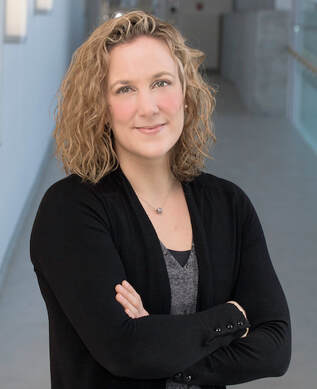
|
Dr. Julie Robillard is a Scientist in Patient Experience at BC Children’s and Women’s Hospital and Health Centre, and Associate Professor of Neurology at the University of British Columbia. Dr. Robillard brings her multidisciplinary background in neuroscience and biomedical ethics to the study of issues at the intersection of patient experience, brain health and technology. Her current work focuses on the development of tools for the evaluation of the quality, ethics and experience of health intervention and health services, with a focus on brain health technology. She is also investigating the integration of artificial intelligence in technology for older adults with dementia and their caregivers as a means to ensure adherence to ethical norms.
|
