• HOME
  • PEOPLE
  • RESEARCH
    • CHARGE
    • COMFORT
    • DISRUPT
    • IMPACT
    • REACT
    • RECESS
    • SIDEKICK
    • Social Media and Dementia Prevention Research
    • Social Media and Youth Mental Health
    • Social Robot Usability
  • PUBLICATIONS
  • GET INVOLVED
  NEST Lab
  • HOME
  • PEOPLE
  • RESEARCH
    • CHARGE
    • COMFORT
    • DISRUPT
    • IMPACT
    • REACT
    • RECESS
    • SIDEKICK
    • Social Media and Dementia Prevention Research
    • Social Media and Youth Mental Health
    • Social Robot Usability
  • PUBLICATIONS
  • GET INVOLVED

RECESS​

 Robot Interaction Effects on Children Experiencing

​ a Stressful Situation
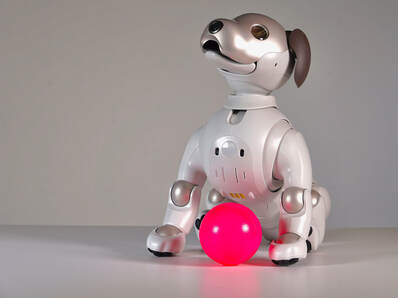
In this project, we set out to better understand how social robots can be used in the hospital to support children and parents in the waiting room.
Why is this research important?

Social robots are interactive agents that can engage in social interactions. This emerging technology has the potential to provide mental health support in healthcare settings. The goal of this study was to explore the attitudes of children and parents towards a social robot and to identify ways in which robots could be used in the hospital waiting room.

What did we do?
​

The team carried out a survey of parents and children who have previously been admitted to a hospital and a series of modified focus group meetings with healthcare providers. These surveys and focus groups asked questions about attitudes towards social human-robot interactions in a hospital setting, identified potential barriers to robot implementation, and identified potential novel applications.
Picture
The project was led by Dr. Katarzyna Kabacinska, former PhD Student in the NEST Lab.​

What did we find?


All user groups have positive attitudes towards interactions with social robots, though they highlighted that addressing their concerns about robot use during interaction development is key. Healthcare providers emphasized the value of being consulted throughout the process of child-robot interaction development to minimize potential harm.

Publications & Media

Kabacinska K, Teng KA, Robillard JM. Social Robot Interactions in a Pediatric Hospital Setting: Perspectives of Children, Parents, and Healthcare Providers. Multimodal Technologies and Interaction. 2025 Feb 11;9(2):14. Google Scholar​
Kabacinska K, Prescott TJ, Robillard JM. Socially assistive robots as mental health interventions for children: a scoping review. International Journal of Social Robotics. 2021 Aug;13(5):919-35. Google Scholar

External Contributors

Dr. Tony Prescott, Partner – Consequential Robotics; MiRo robot

Funders

We are proud to have received funding for this project from the following organizations
Picture
Picture
Picture
Picture
Picture
Picture

​© 2025 The Neuroscience, Engagement and Smart Tech Lab

  • HOME
  • PEOPLE
  • RESEARCH
    • CHARGE
    • COMFORT
    • DISRUPT
    • IMPACT
    • REACT
    • RECESS
    • SIDEKICK
    • Social Media and Dementia Prevention Research
    • Social Media and Youth Mental Health
    • Social Robot Usability
  • PUBLICATIONS
  • GET INVOLVED